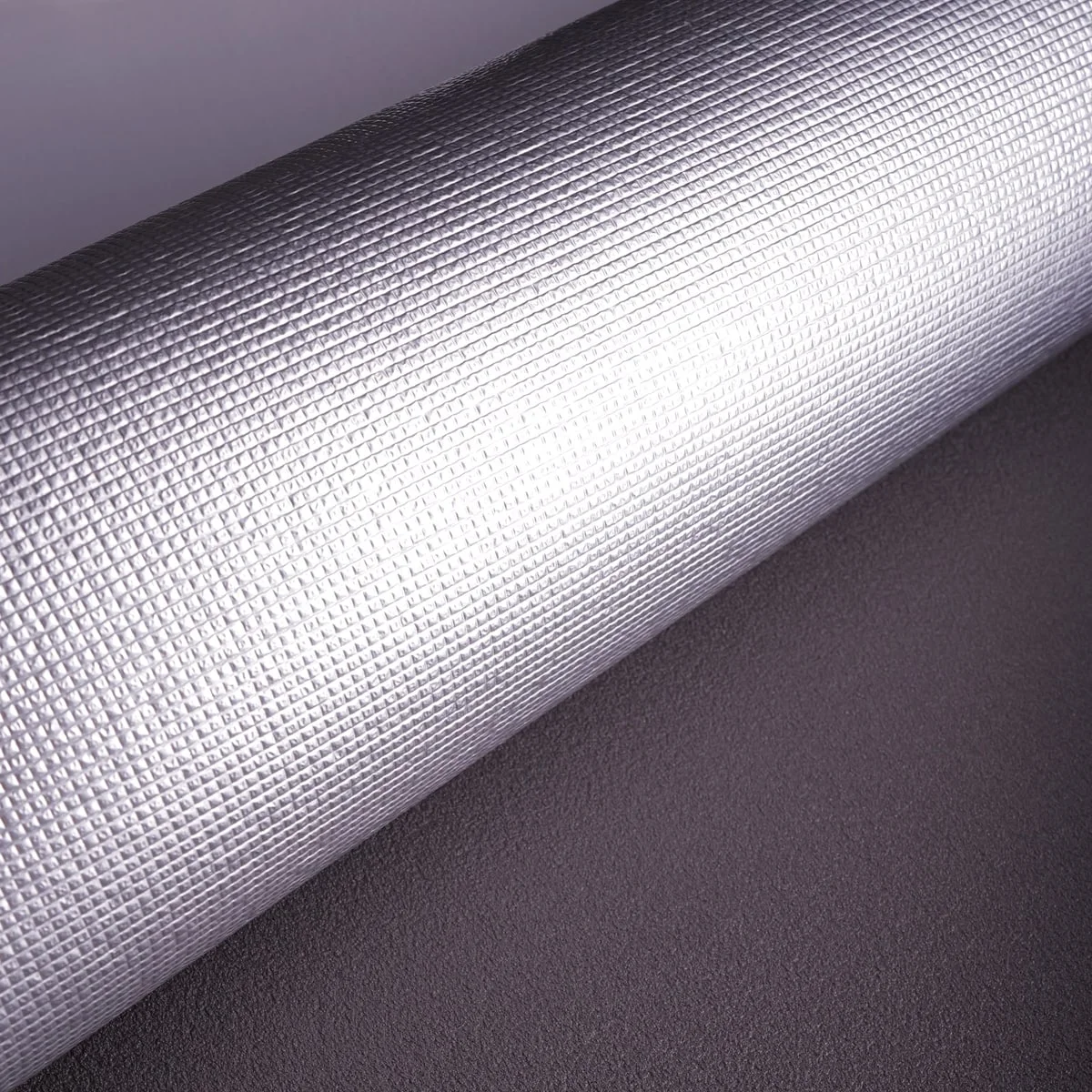
Foil-Foam Insulation, XPE 4.5 mm, Grey
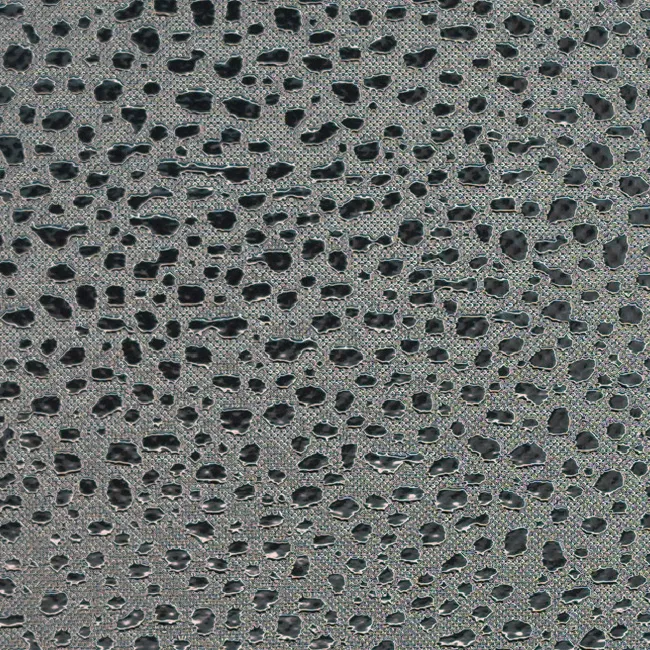
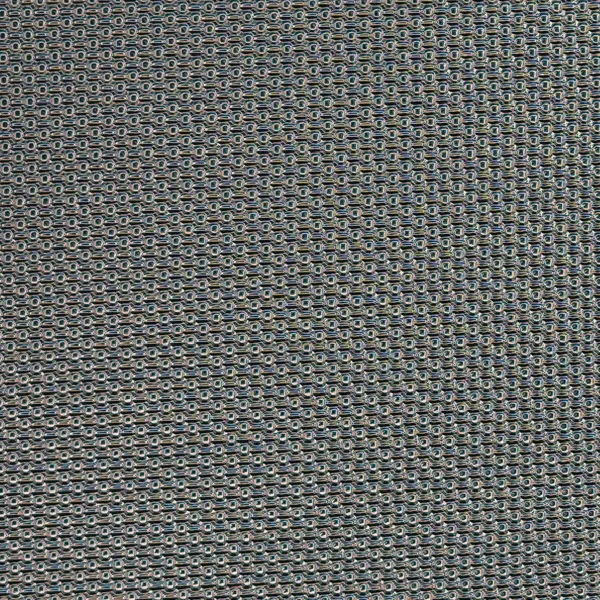
Matte grey small-grid emboss foil face on a woven carrier, bonded to a 4.5 mm closed-cell XPE foam core. Sold by the roll, slit to width.
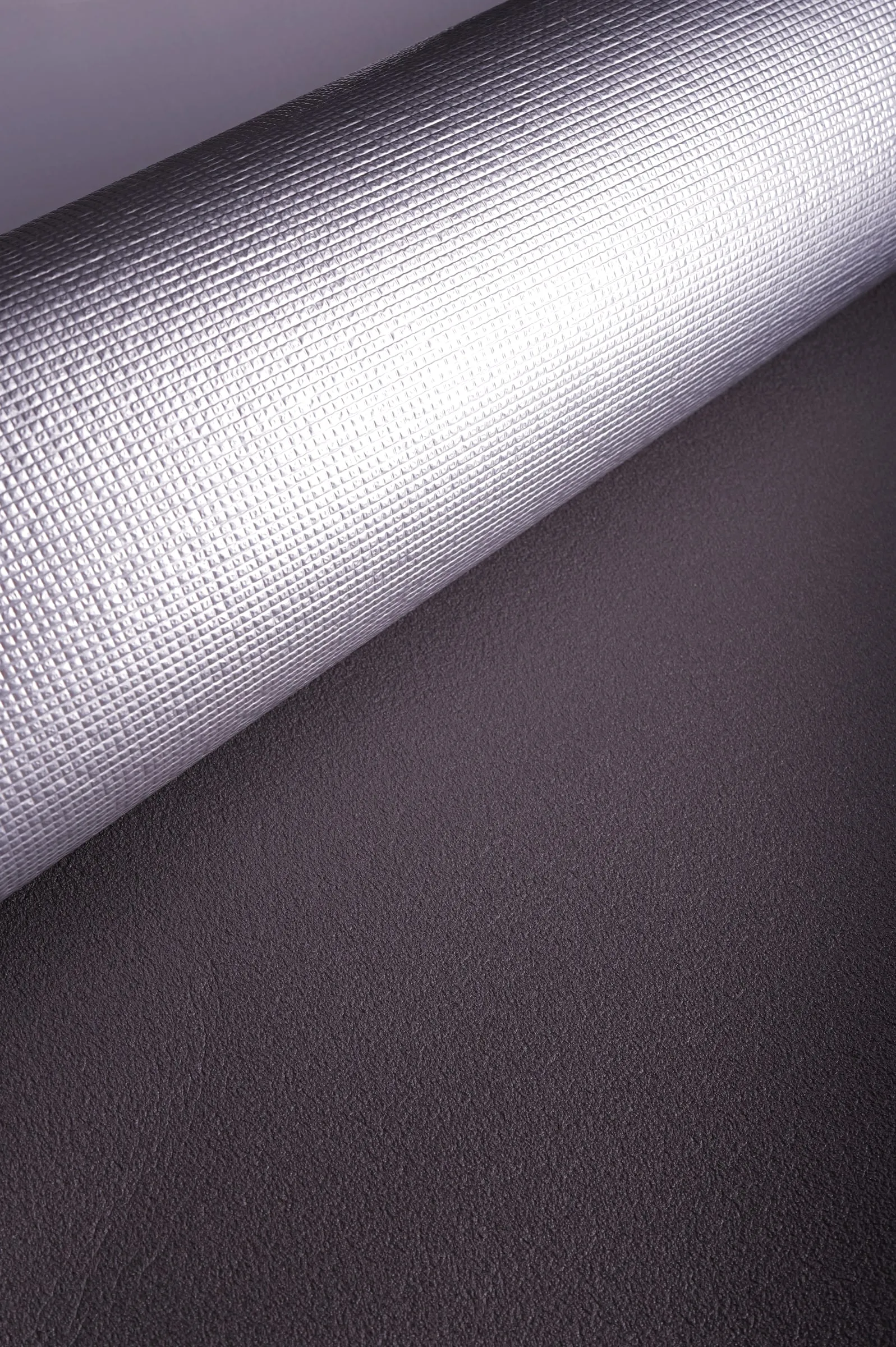
Reflective faces combined with bubble or foam cores. Supplied by the roll.
Also called foil bubble insulation, foil-foam (XPE) insulation, radiant barrier roll, reflective foil insulation.
Reflective insulation roll constructions combine specified faces with a bubble or foam core. This short film takes the illustrative layer order apart — aluminium foil, adhesive, PE bubble or foam core, adhesive, and a foil, film or white face — shows how foil-bubble and foil-foam differ in the hand, that an R-value depends on the exact construction, test method and installed assembly, why the family name alone does not settle use on hot surfaces, and which service conditions to state so a construction and any supported range can be confirmed, and what to give us when you specify a roll. Exact faces and core are confirmed in the quotation.
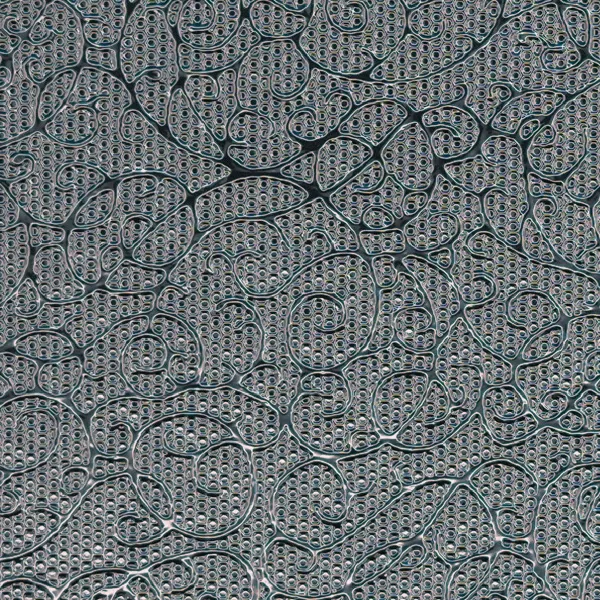
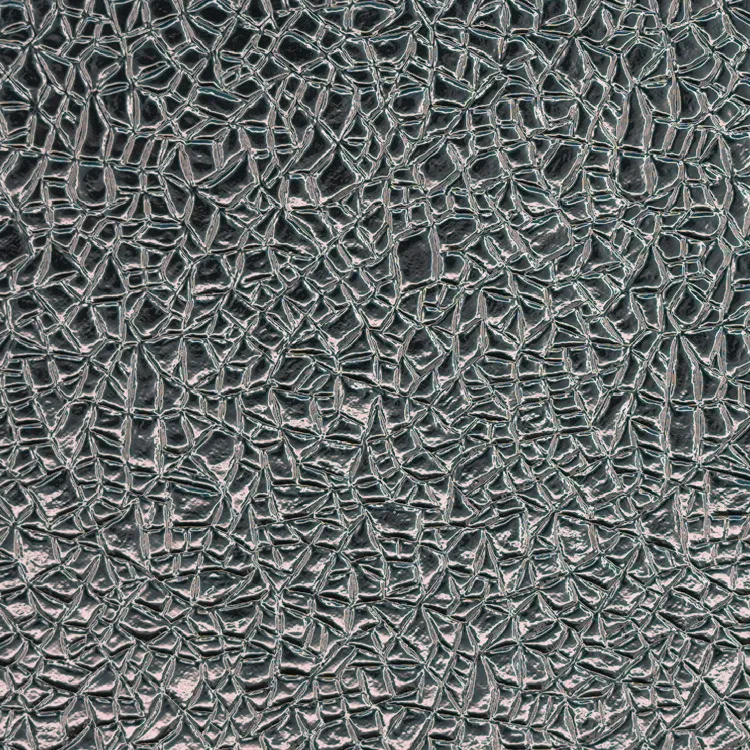
Photographed as they are. Open any one to compare faces, pattern and roll form.
Matte grey small-grid emboss foil face on a woven carrier, bonded to a 4.5 mm closed-cell XPE foam core. Sold by the roll, slit to width.
Tell us quantity, width and roll length, application and destination. We reply within 24 hours on working days.
Reflective insulation roll constructions combine specified faces with a bubble or foam core. Thermal values, service conditions, layers, slit width and roll format must be confirmed for the exact construction and installed assembly.
The roll material combines one or more specified faces with a named bubble or foam core. Layer sequence, thickness and applicable values are construction-specific.
Radiant barrier foil, foil-bubble and foil-foam for roofs, walls, ducts and thermal wraps.
Foil laminates and foil-foam liners for cooler bags, insulated boxes and shipping envelopes.
Performance of reflective insulation depends on the core and the installed assembly. Use this checklist when requesting a quotation; actual values, test methods and documents are confirmed only for the quoted construction.
State the service conditions. A suitable construction, applicable values and any current supporting documents are confirmed in writing before order.
The exact construction, faces and roll format are defined in the written quotation.
Technical values and documents are confirmed only for the applicable construction and test method.
Slit width, roll length, core, MOQ, sample availability and lead time are confirmed in the quotation.
State the target market, required standard, application and destination.
Confirmed in writing with every quotation.
The roll material combines one or more specified faces with a named bubble or foam core. Layer sequence, thickness and applicable values are construction-specific.
State the intended assembly, faces, core, dimensions and required test method. The quotation confirms the closest construction and any values supported for it.
Give the core type and thickness, required faces, width, roll length, core, service conditions and installed assembly. Do not transfer thermal or temperature values from another construction.
A value depends on the exact construction, test method and installed assembly. We state a value only when current evidence identifies all three.
Do not select by product-family name alone. State continuous and short-term service conditions so a construction and any supported range can be confirmed.
Insulated bags, boxes and mailers are lined with foil laminate, foil-foam or foil-bubble rolls. What each does, how to choose, what the quotation needs.
Not as a radiant barrier. Why foil needs an air space to reflect heat, what happens when it is sandwiched, and how to design the assembly so it works.
How EN 13501-1 classes and suffixes are reported, why the exact tested construction matters, and what buyers should verify before relying on a result.