Metallised, clear, white, black, coloured and holographic PET film. By the roll.
Reflective film pattern library
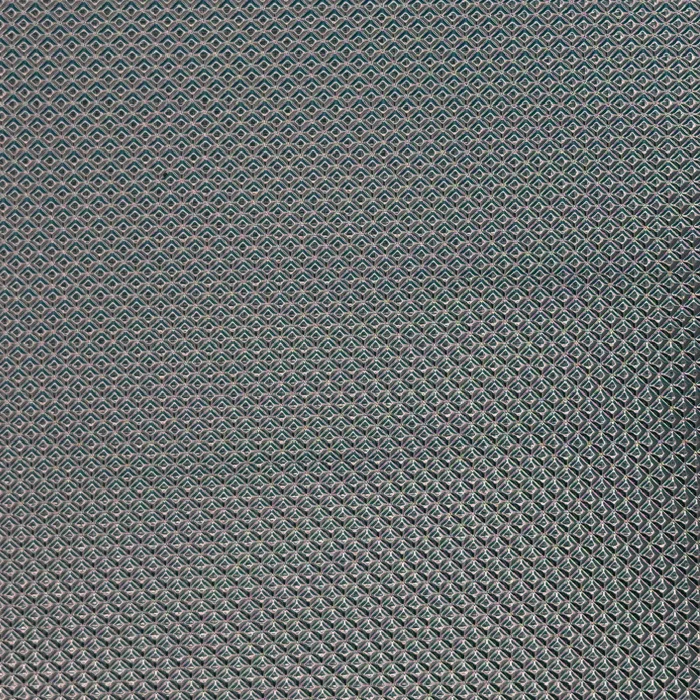
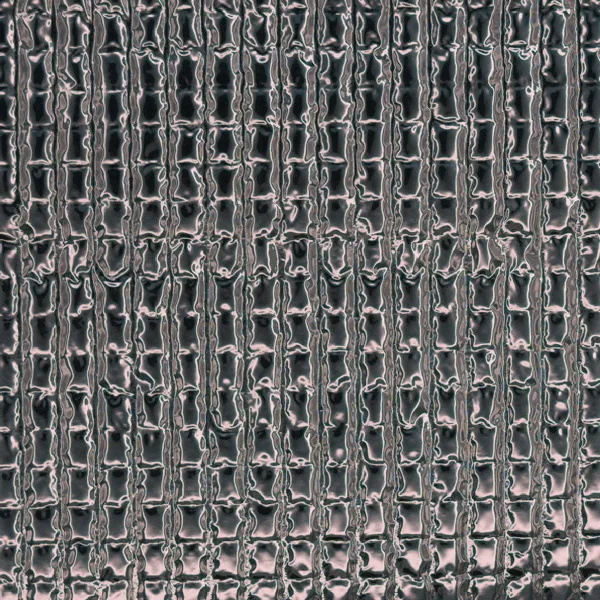
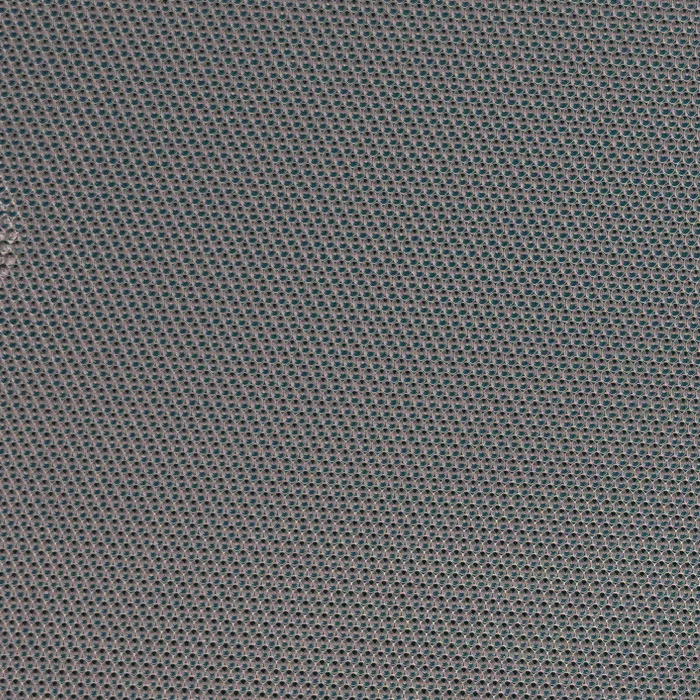
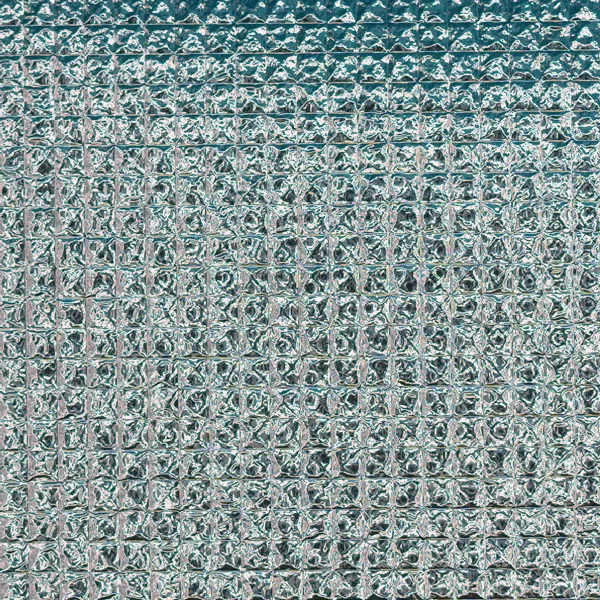
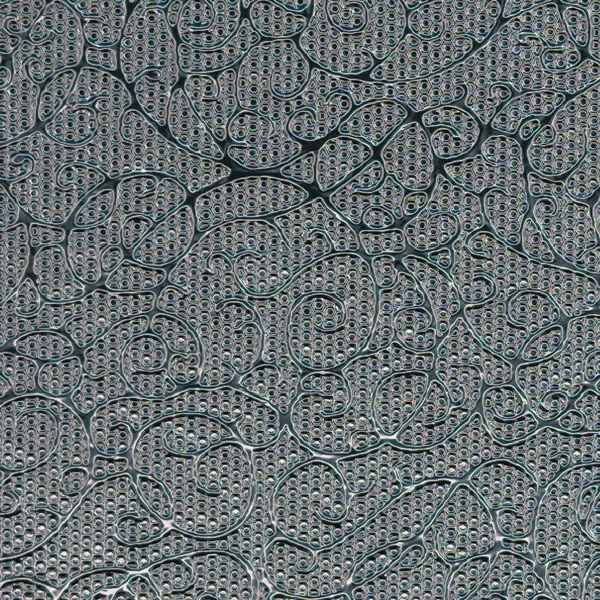
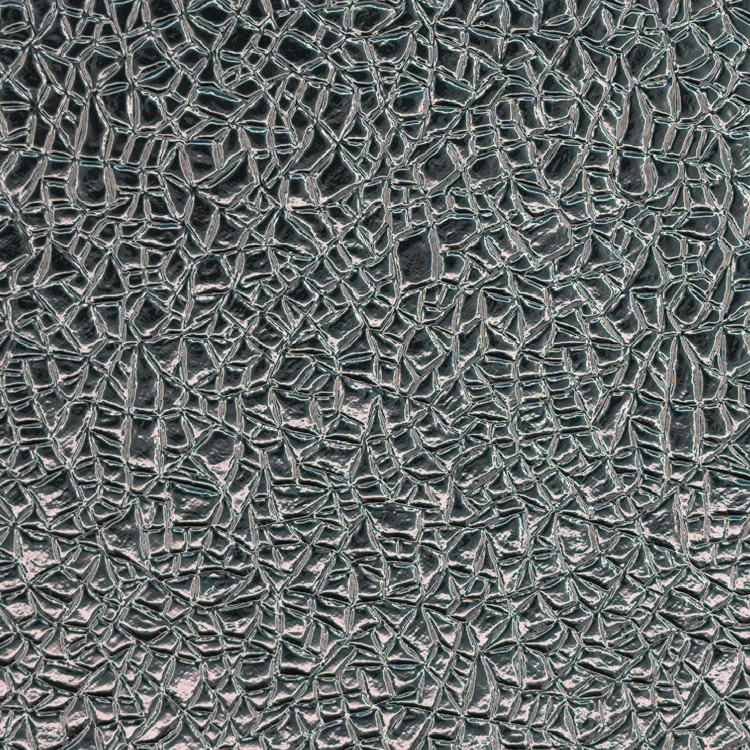
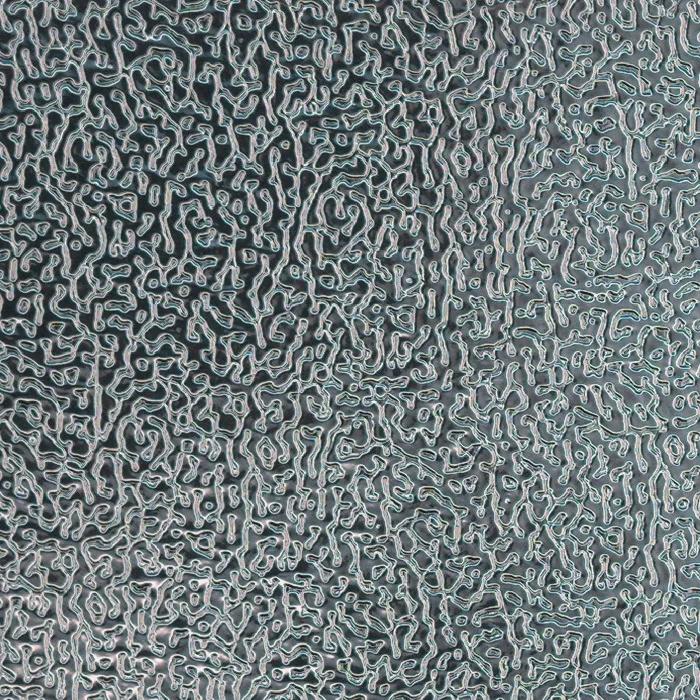
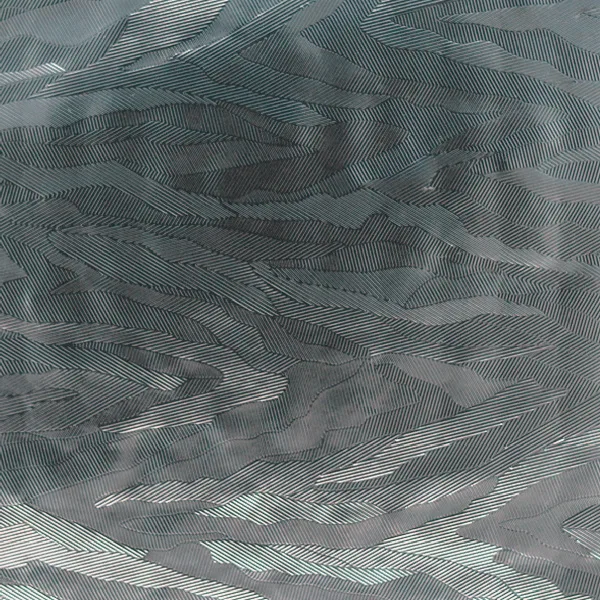
60 surface patterns photographed from samples in our own factory. The pattern decides how light scatters, how well the face hides creases, and how the material reads on a wall or a roll. Find the one you are looking for and we will tell you which constructions carry it.
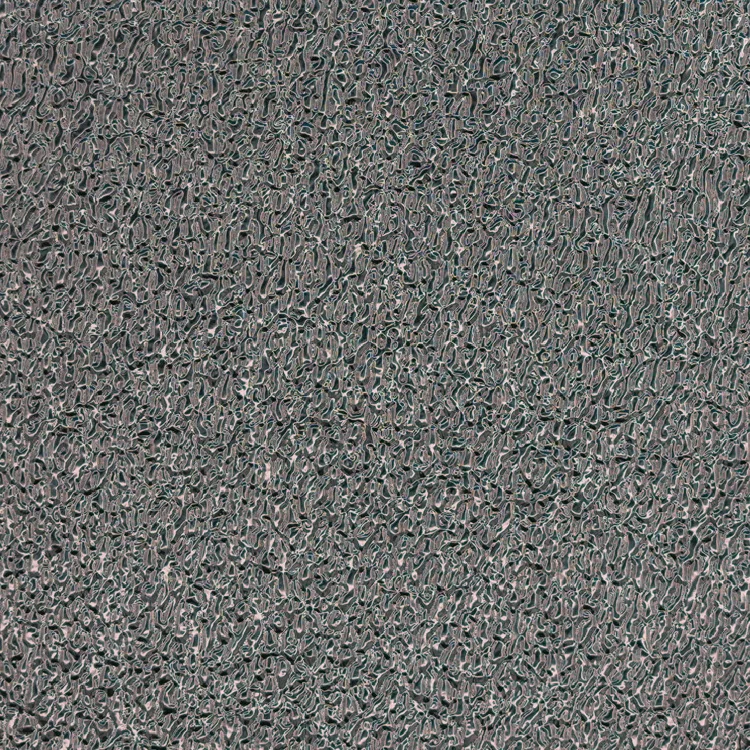
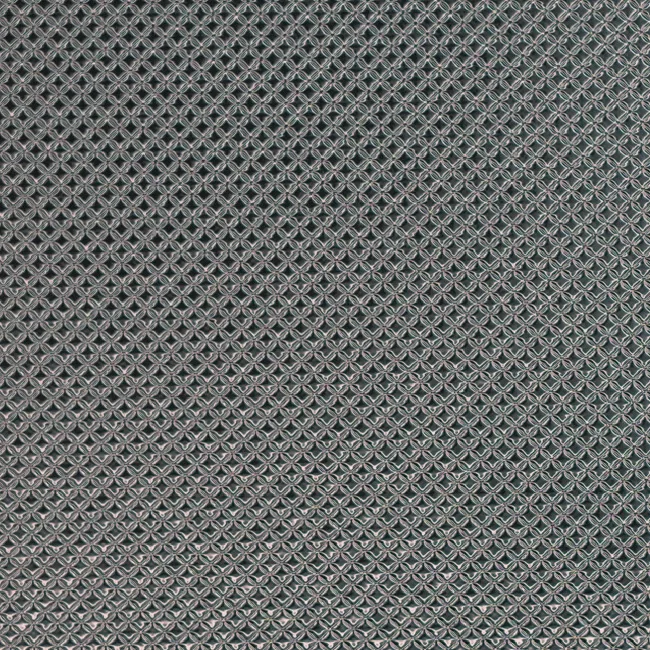
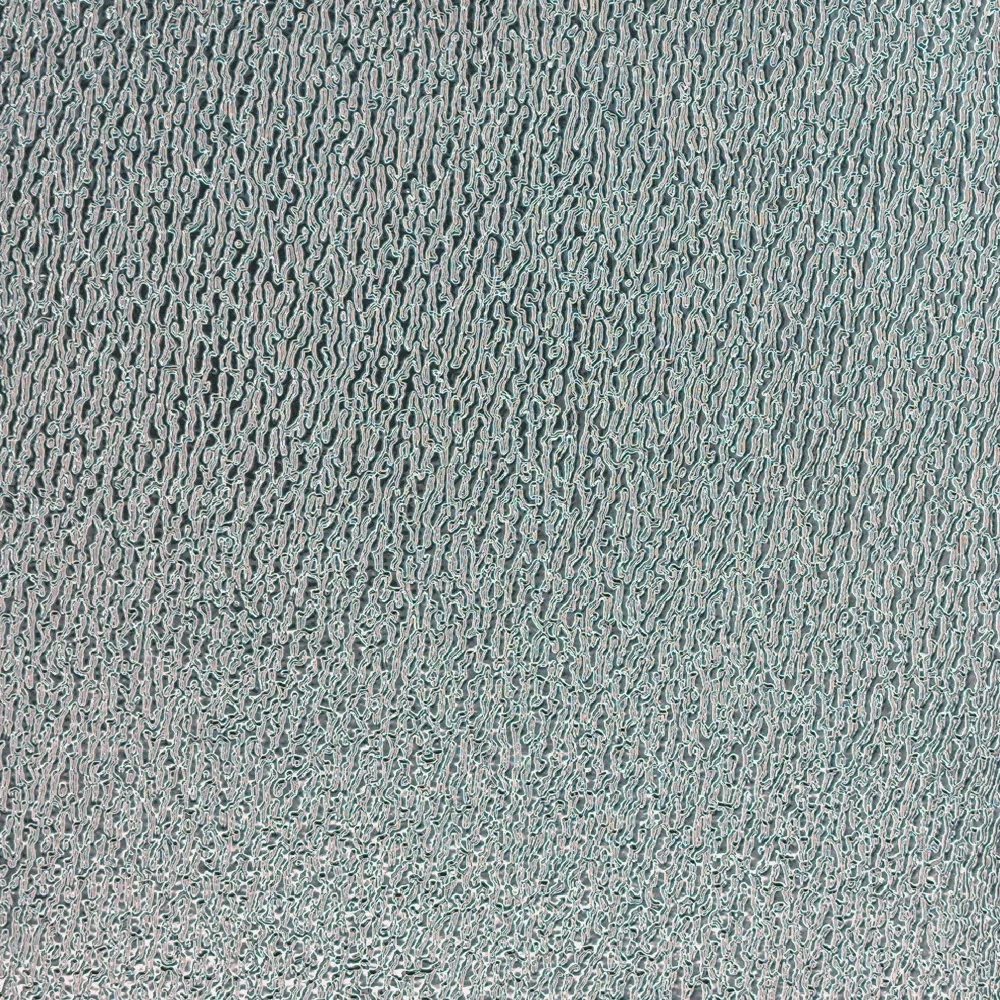
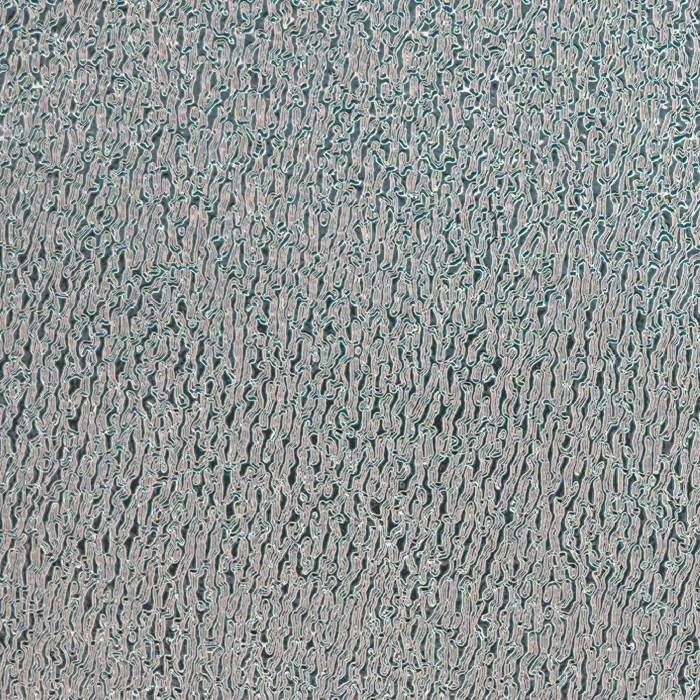
These are macro photographs of real samples, not redraws and not AI. They were all shot against a blue backdrop, so one single global colour correction has been applied identically to every frame to remove the reflected blue. Colour is indicative and not calibrated: ask for a sample before committing to a colour. Pattern names describe appearance only and do not state a SKU, a material or a specification.
Browse by family.
Family
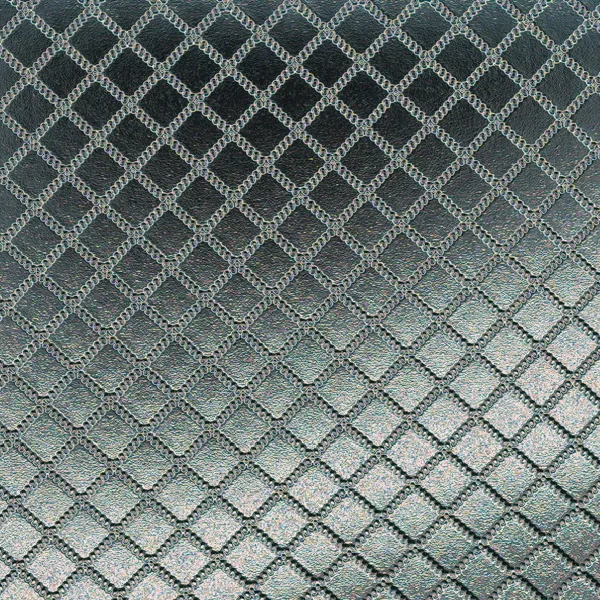
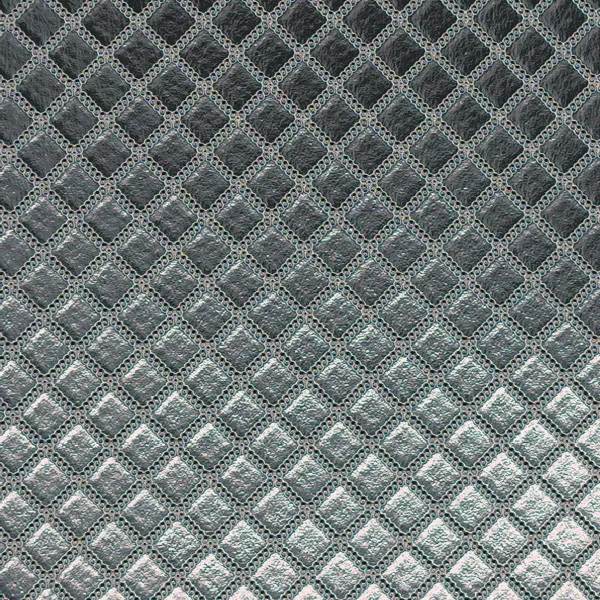
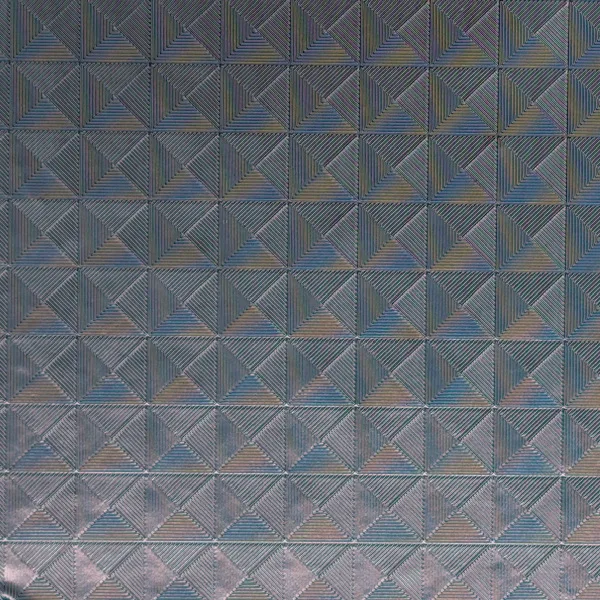
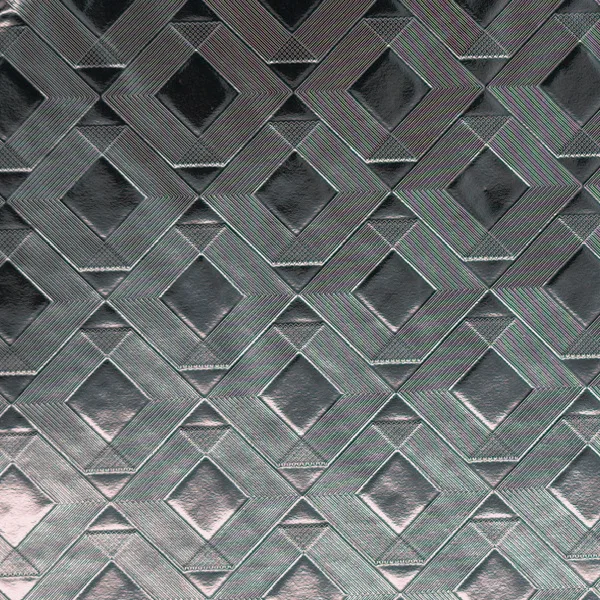
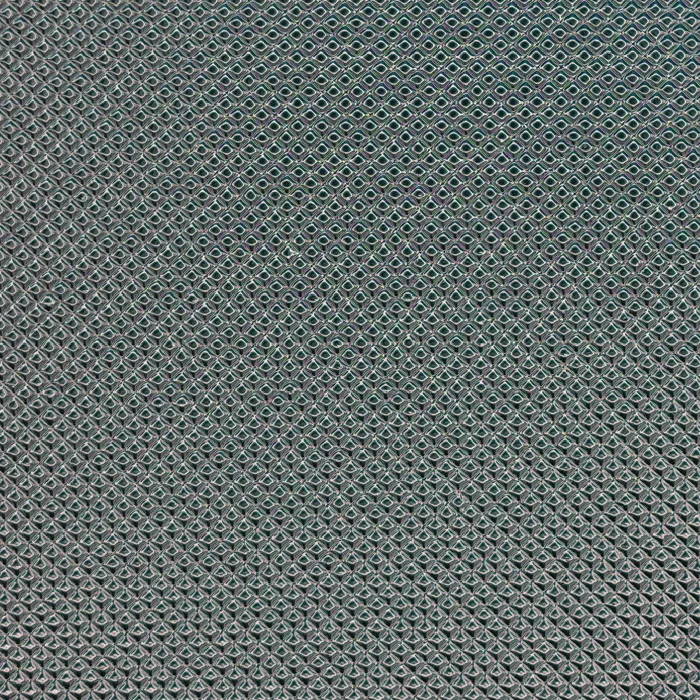
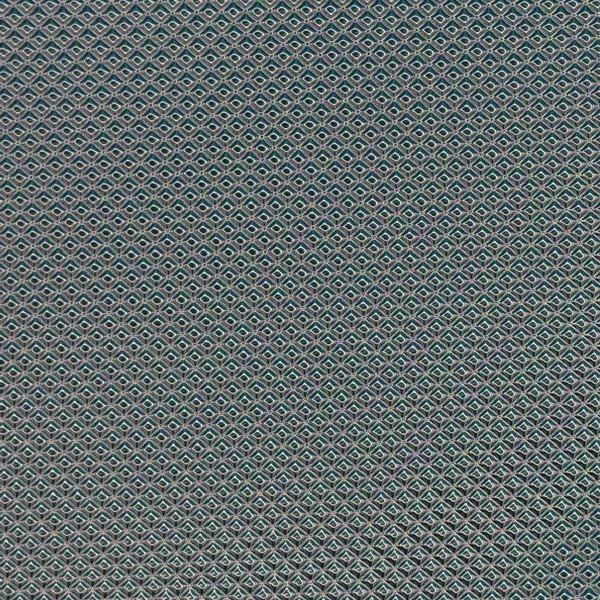
Diamond and lattice
Repeating diamond emboss, from a fine lattice to a large open figure. The most common pattern on reflective wall lining because it scatters light evenly and hides handling creases.
6 samples
Family
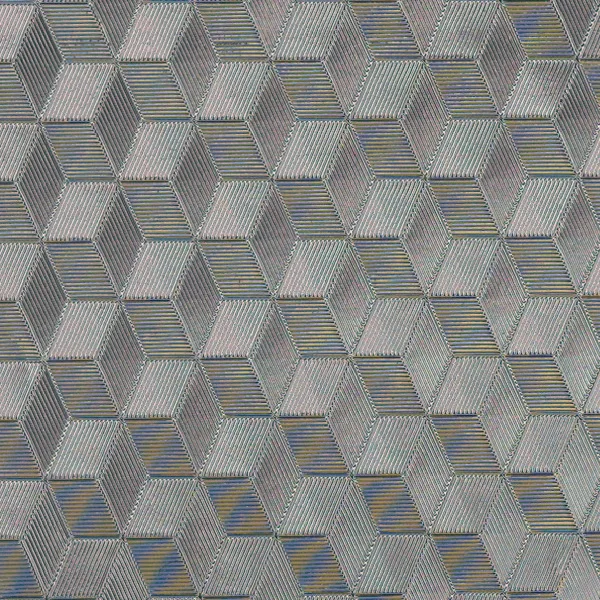
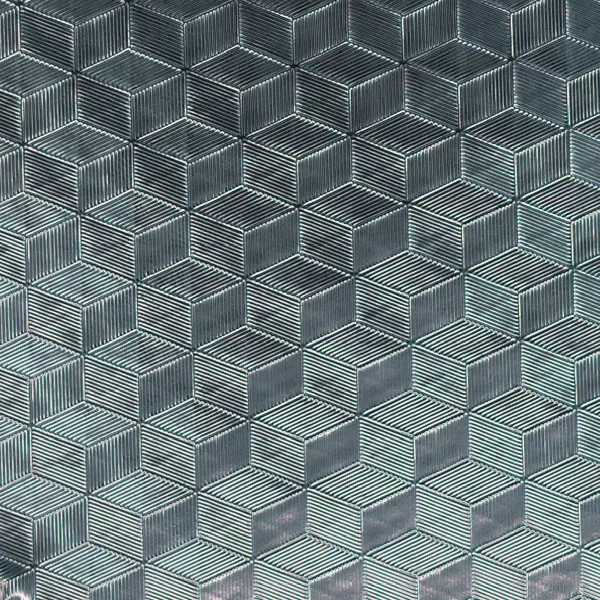
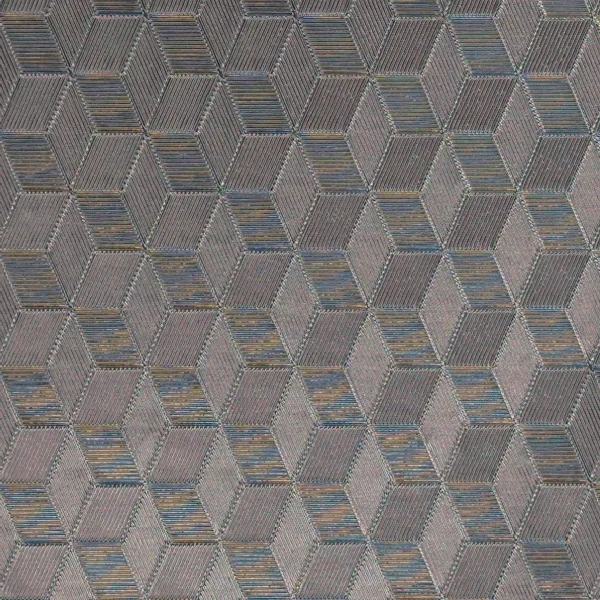
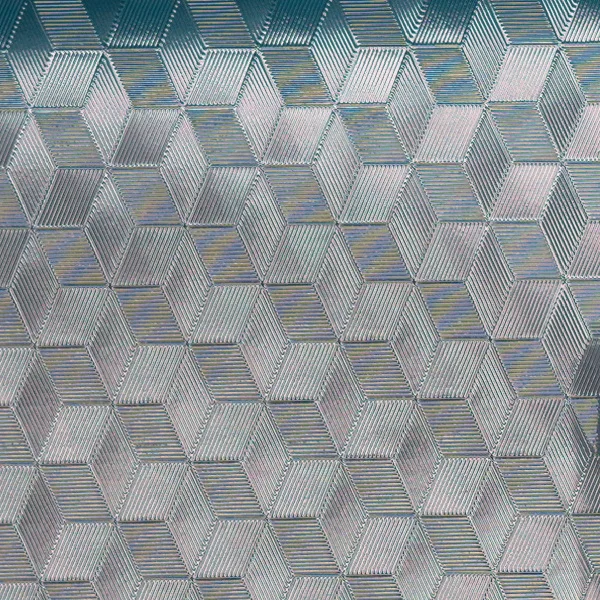
Cube and isometric
A three-dimensional cube emboss that reads as depth under raking light. Chosen where the surface should look engineered rather than plain.
4 samples
Family
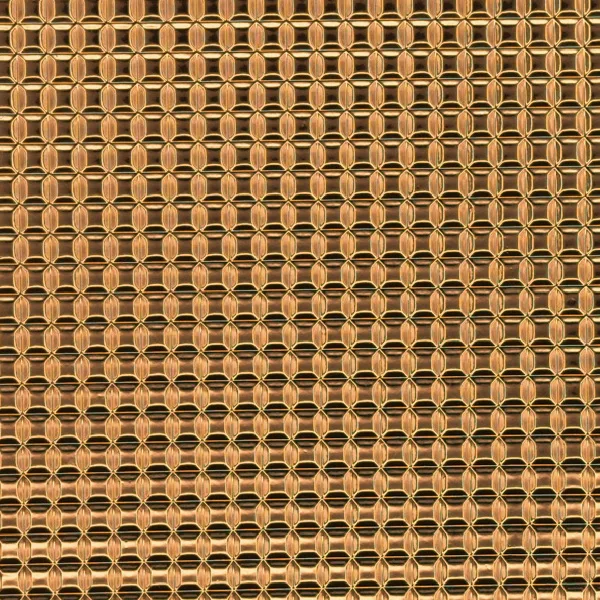
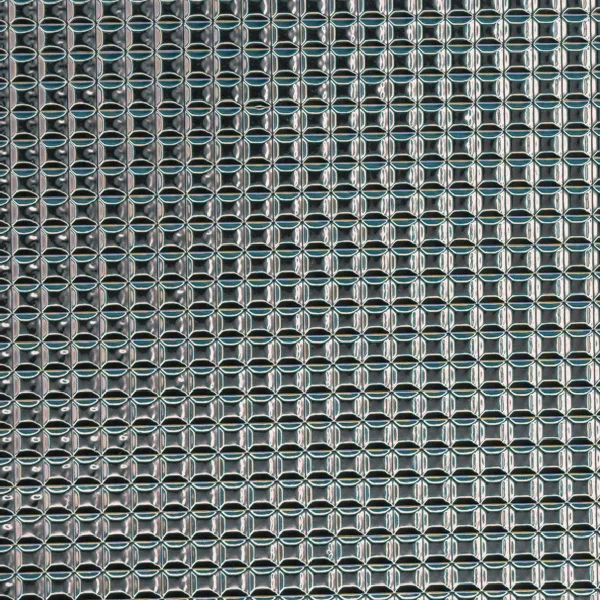
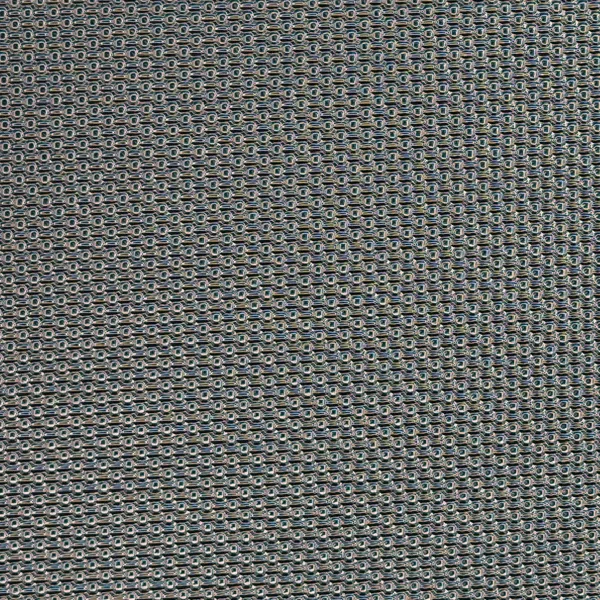
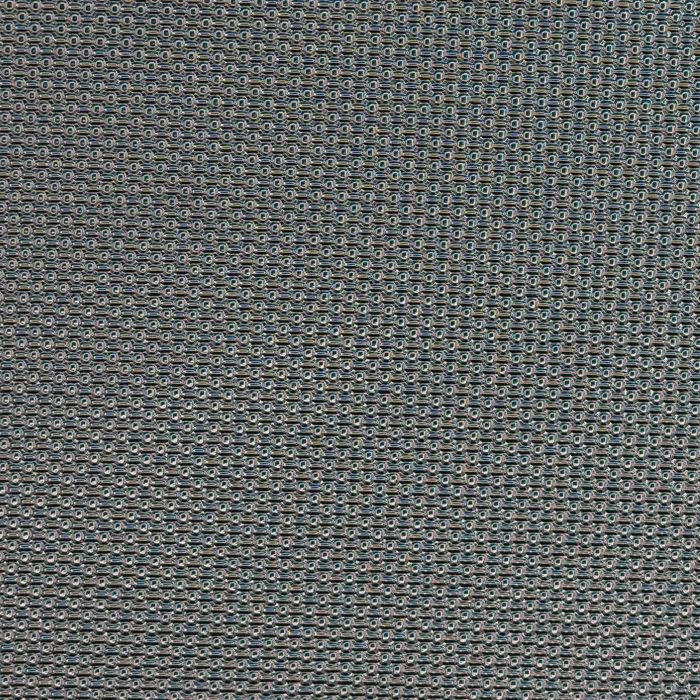
Grid and woven
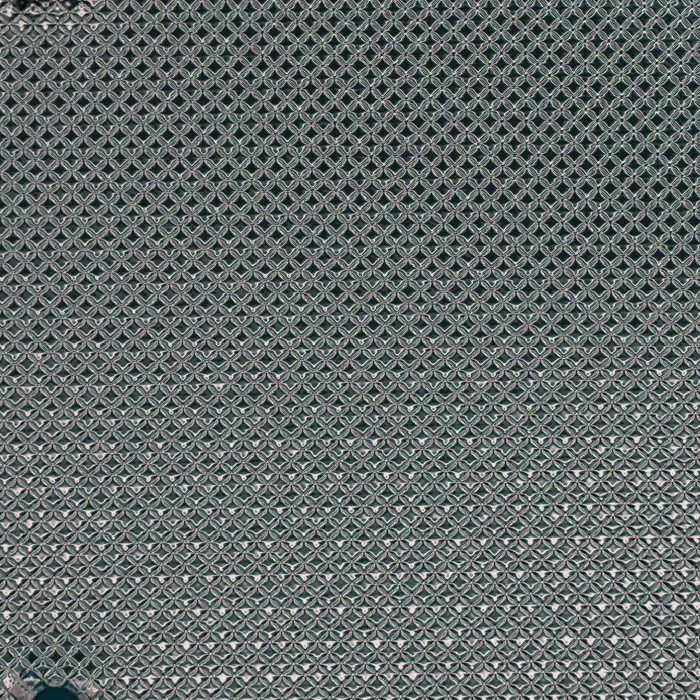
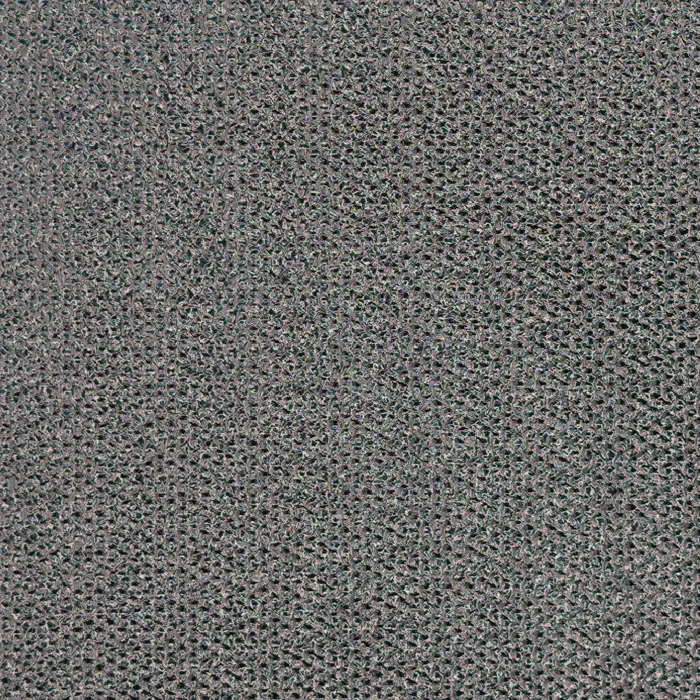
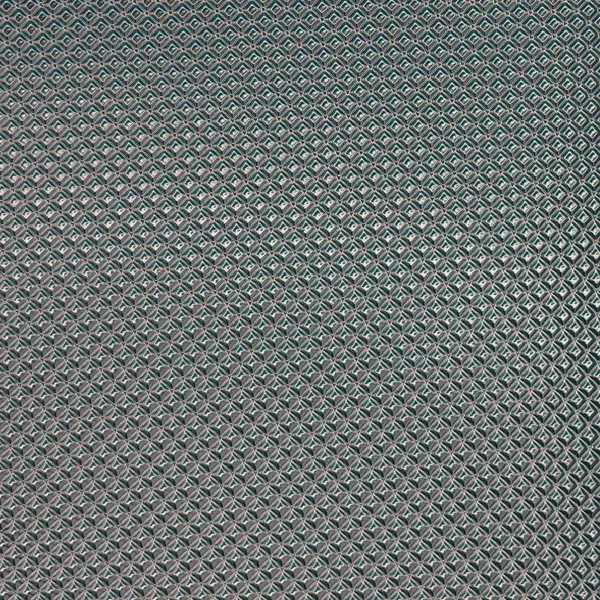
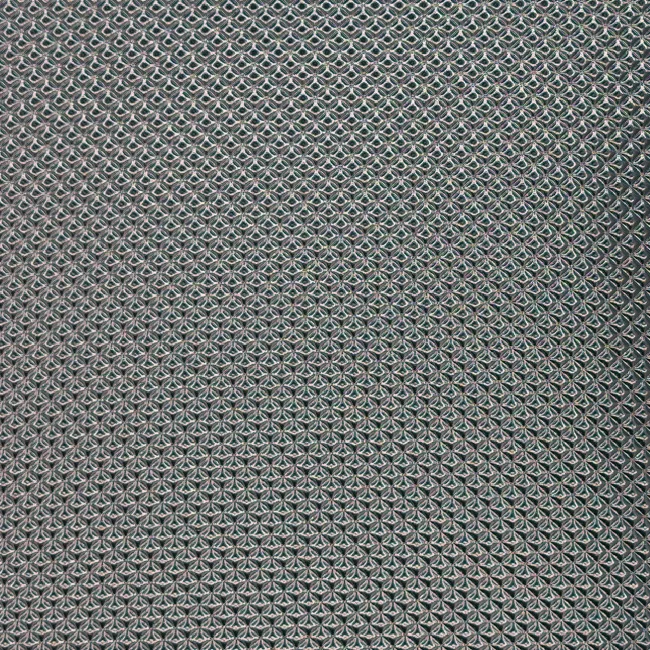
Square grid embossing and true woven scrim faces, from a fine mesh to an open coarse weave. Woven faces add tear resistance; embossed grids only change how light scatters.
16 samples
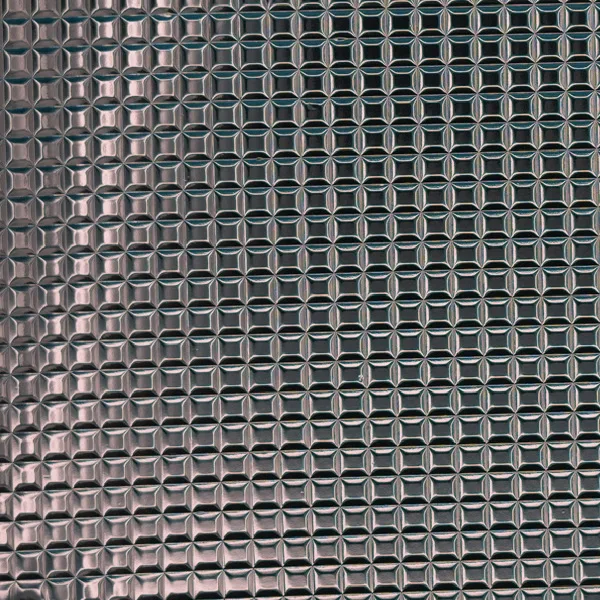
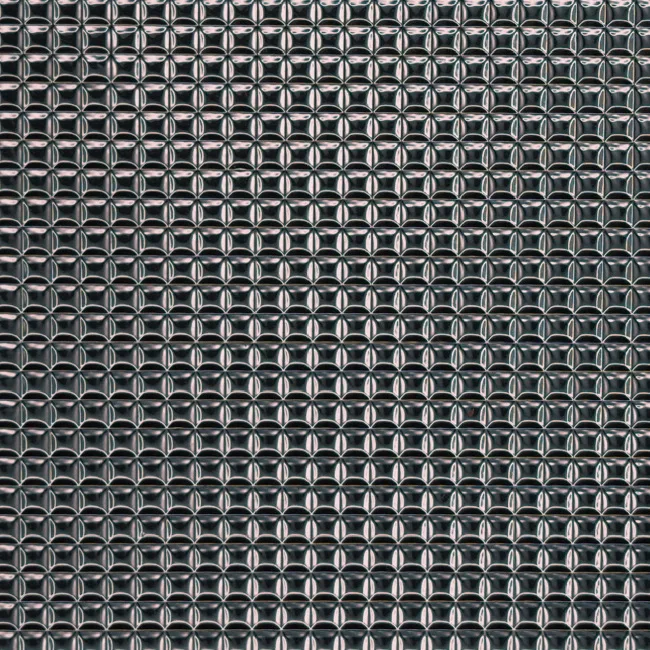
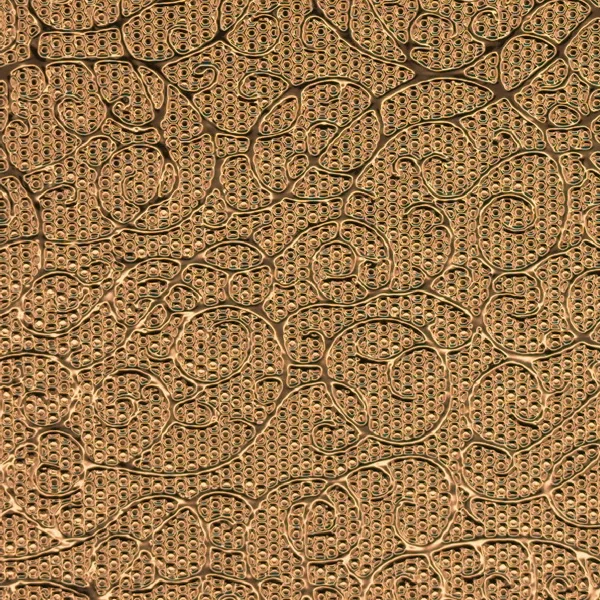
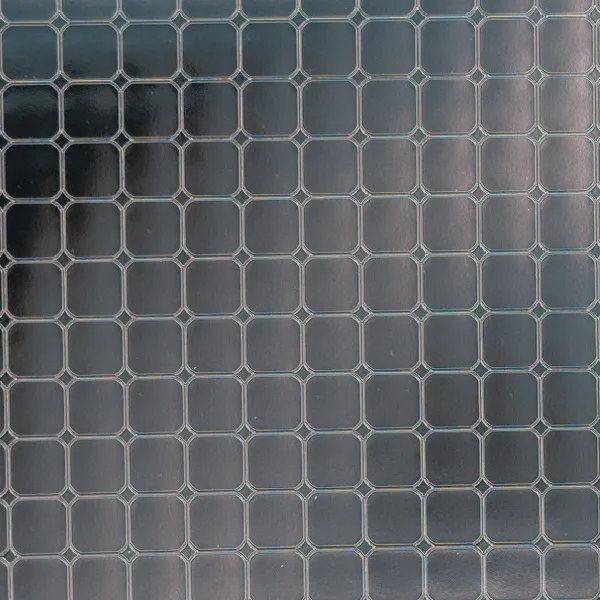
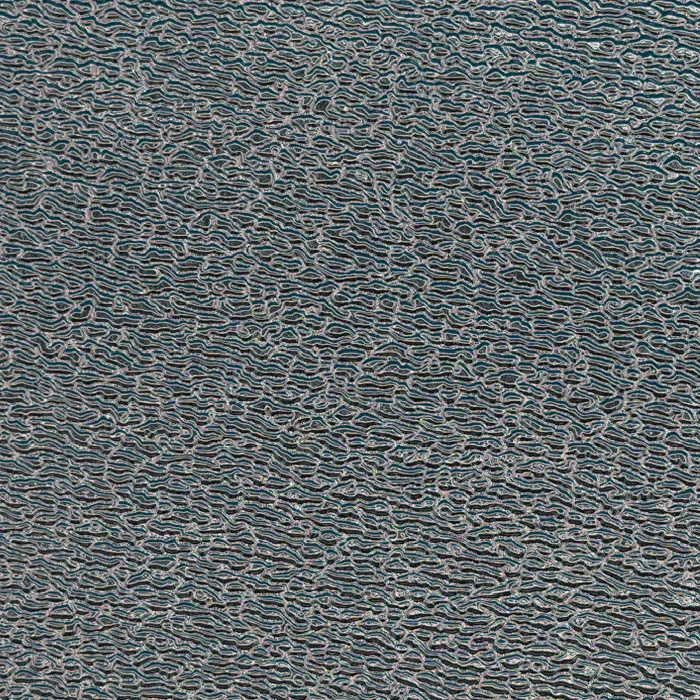
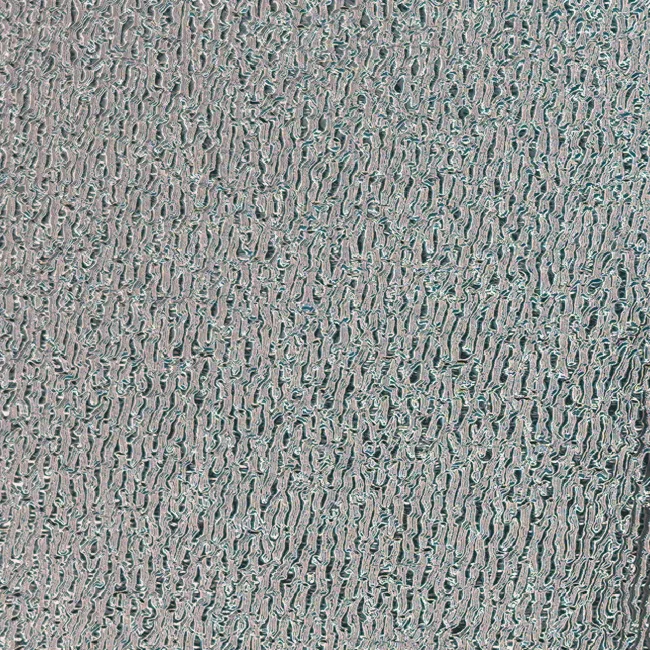
Family
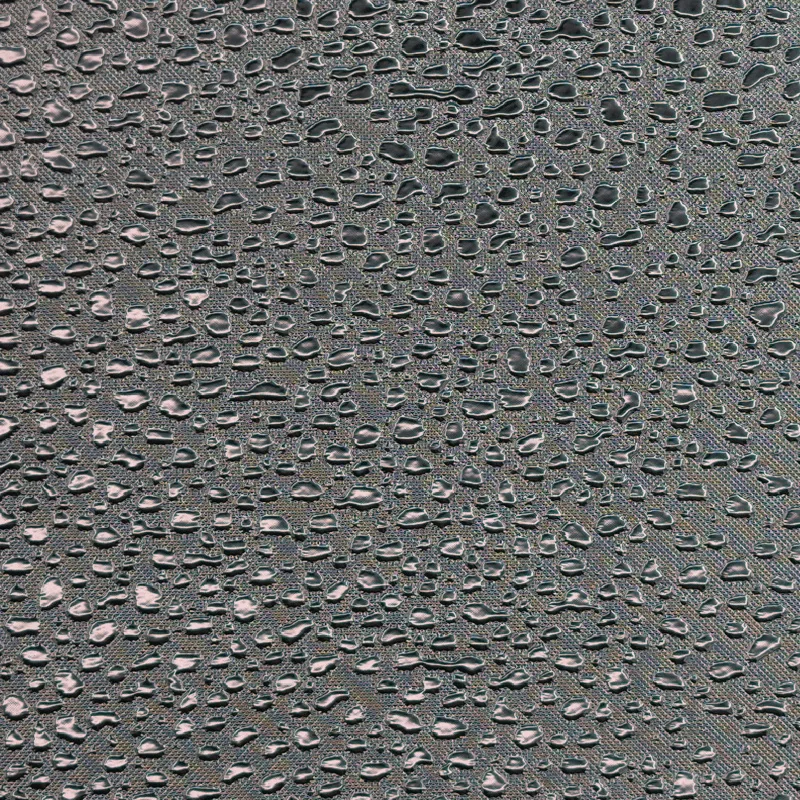
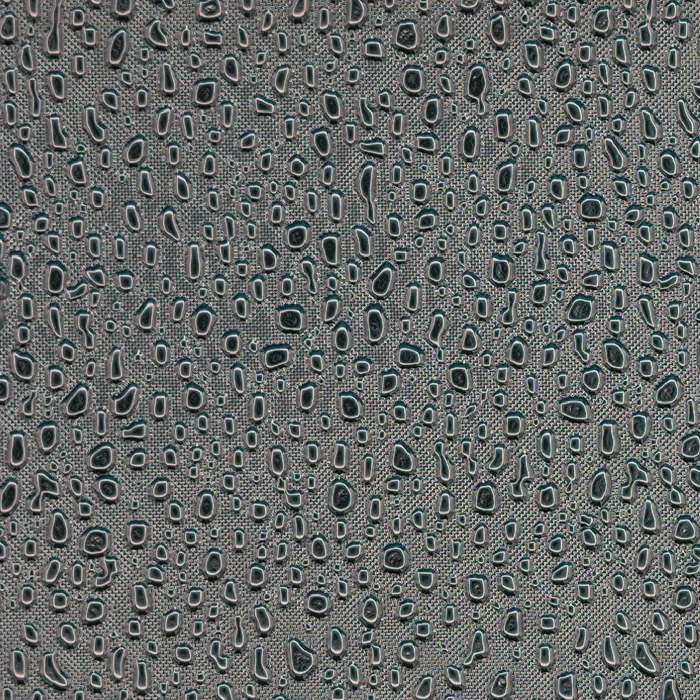
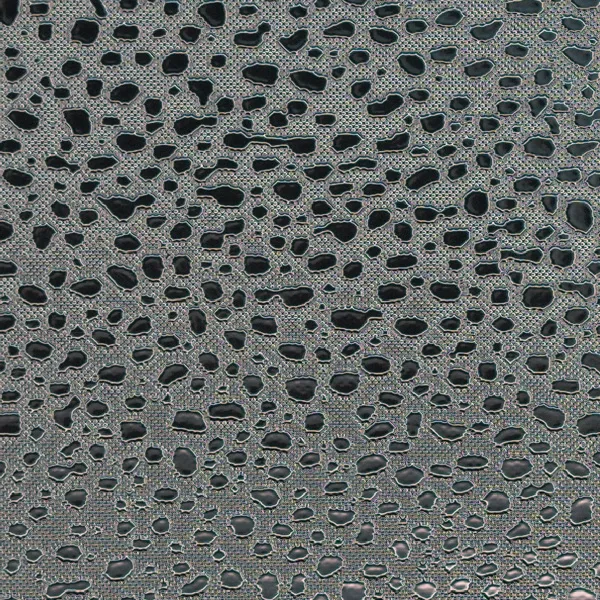
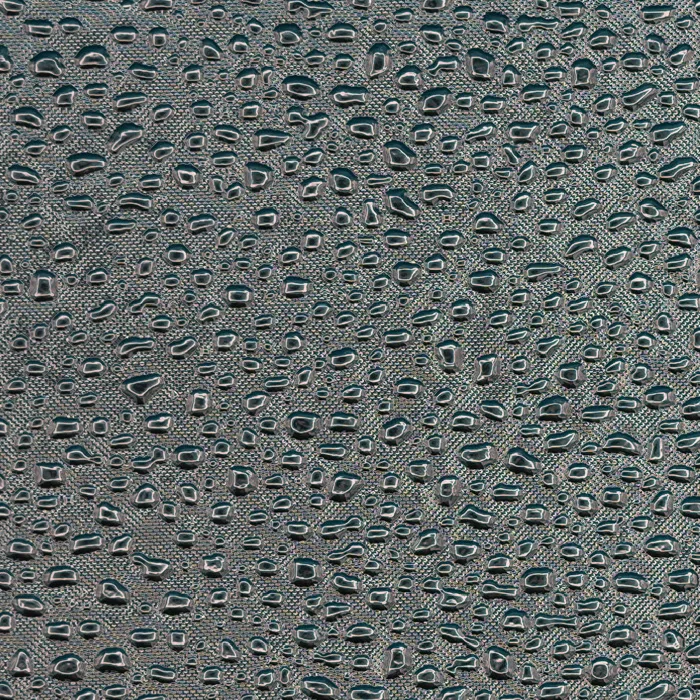
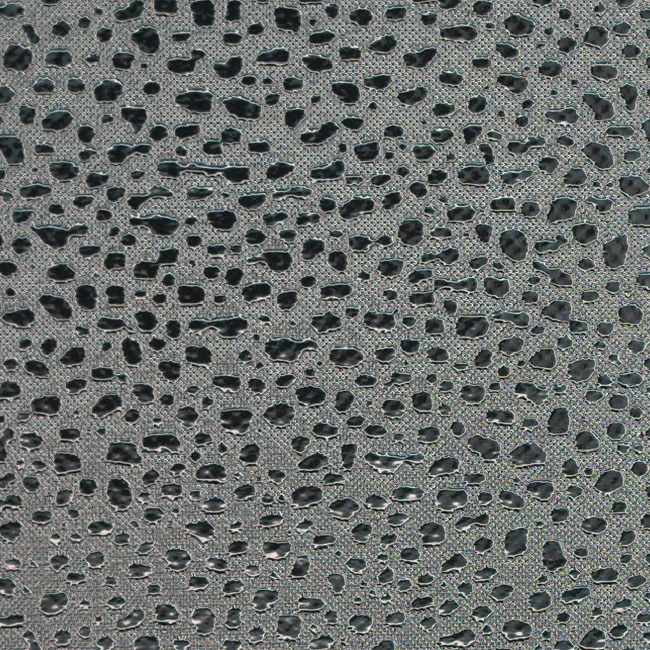
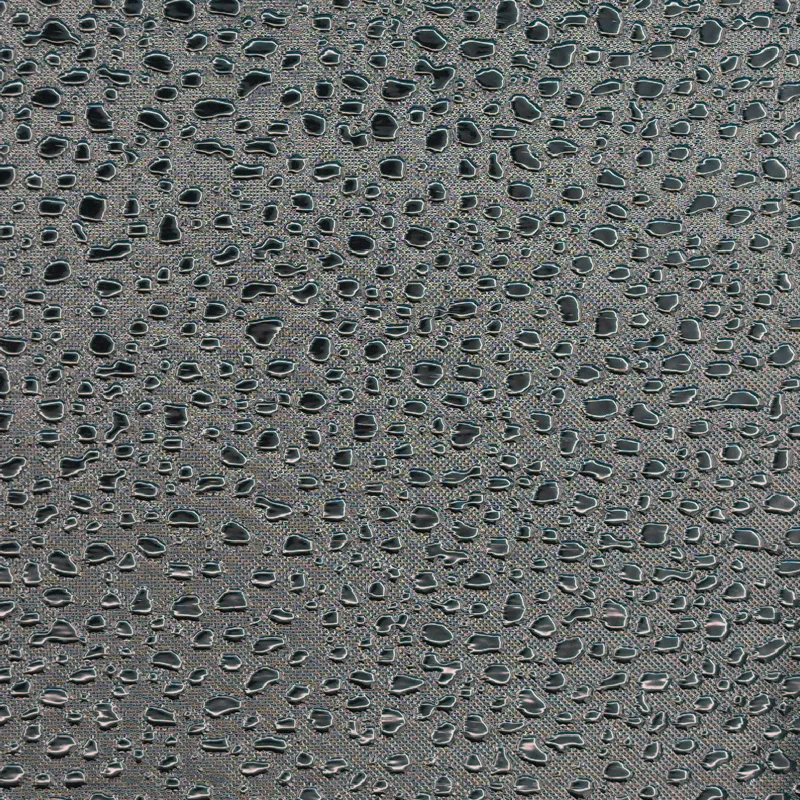
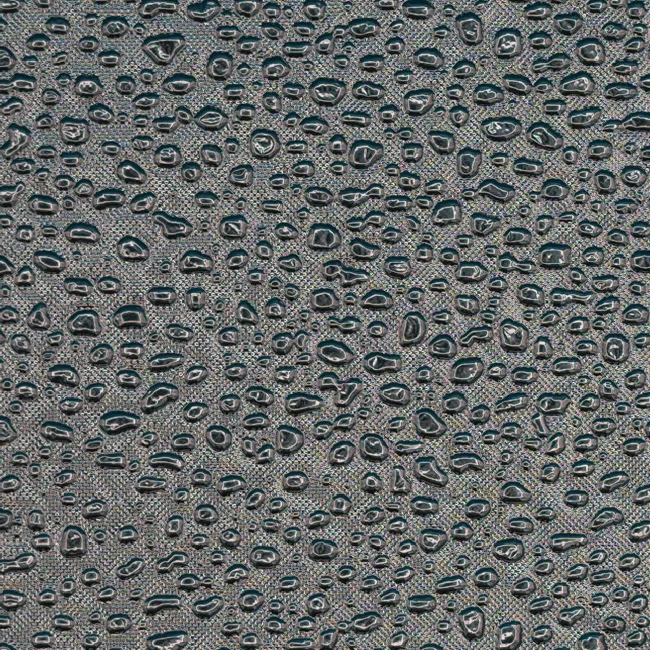
Pebble and droplet
Irregular rounded emboss. Diffuses reflection more than a geometric pattern, so highlights read soft instead of mirror-bright.
7 samples
Family
Fine grain and sand
A very fine grain that reads as a matte or satin surface at arm’s length. Used where glare has to be kept down.
7 samples
Family
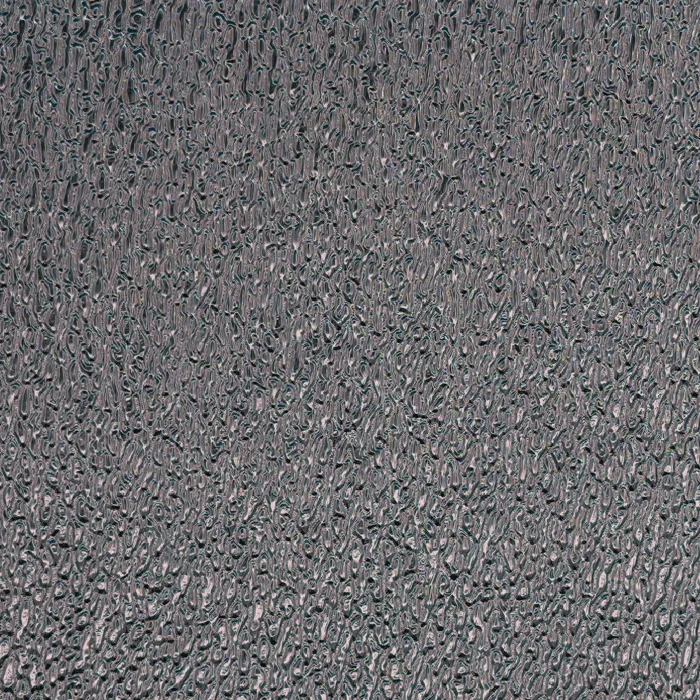
Crackle and cellular
A broken cellular emboss with no repeating axis. Hides creases better than any regular pattern, which matters on material that ships folded.
3 samples
Family
Brushed and feathered
Directional line work that behaves like brushed metal: the surface changes tone as the viewing angle changes.
3 samples
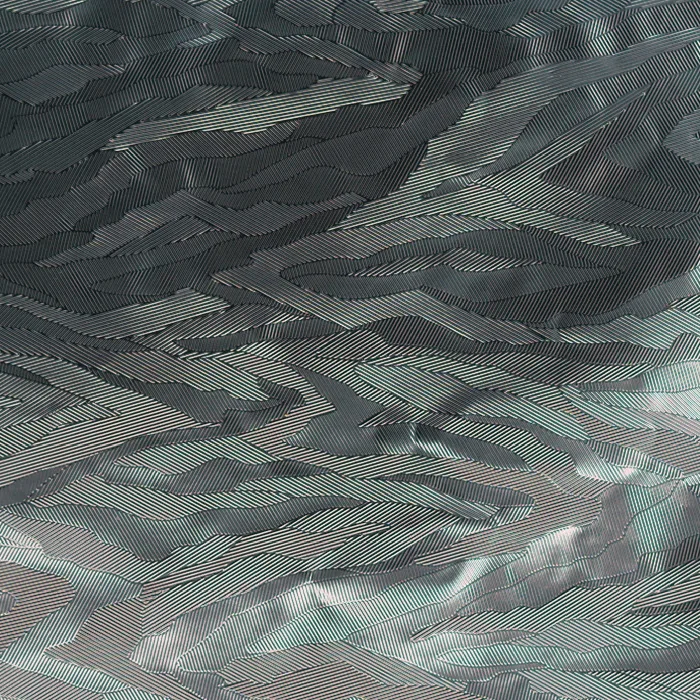
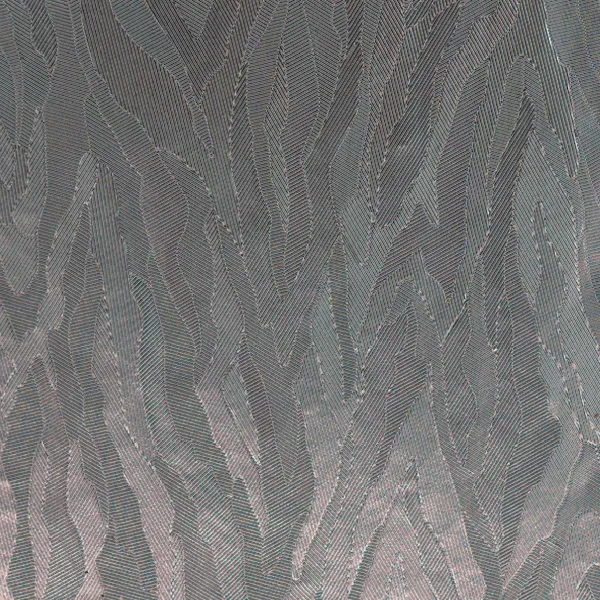
Family
Iridescent and holographic
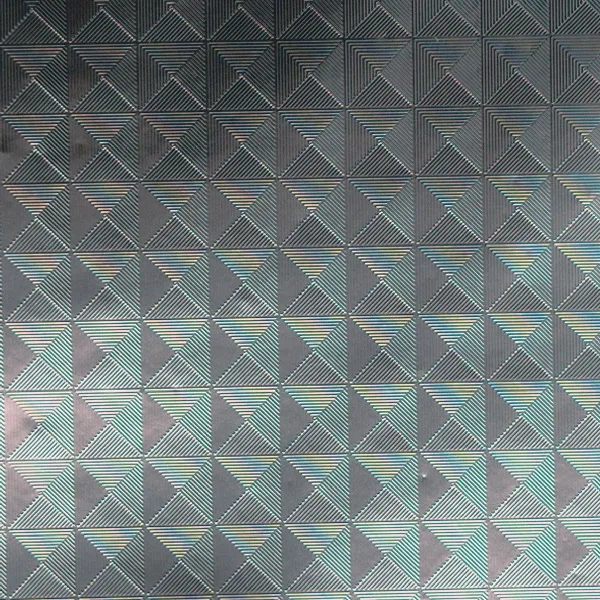
The colour shift in these samples is real, not a photographic artefact: the surface splits light so the hue changes with angle. Supplied as holographic PET film.
4 samples
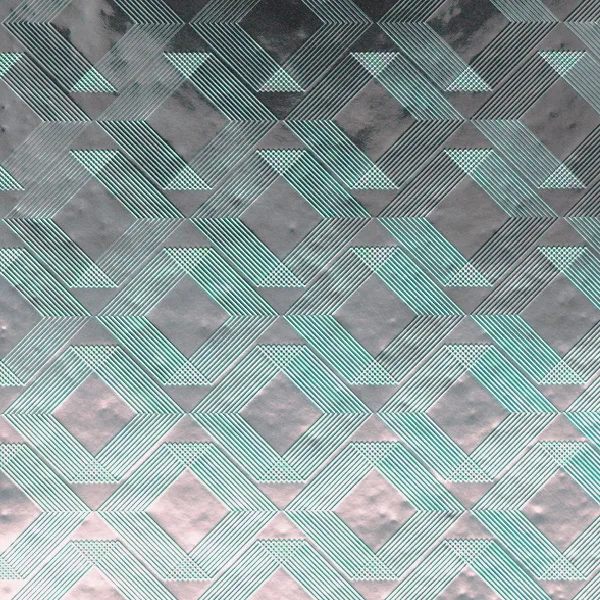
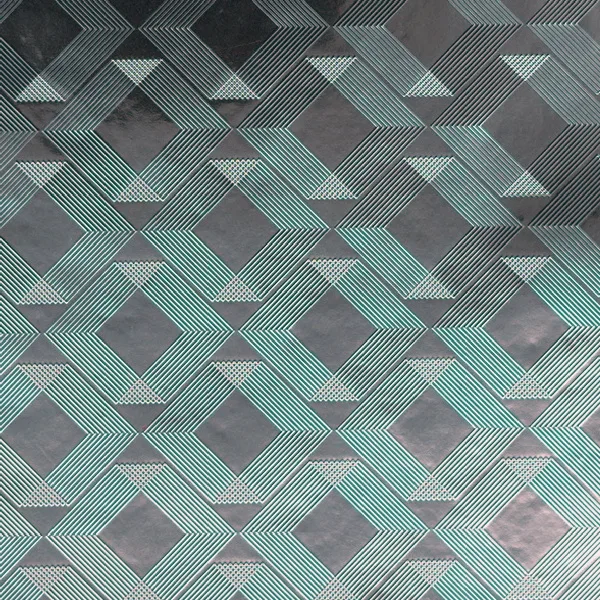

Family
Motif emboss
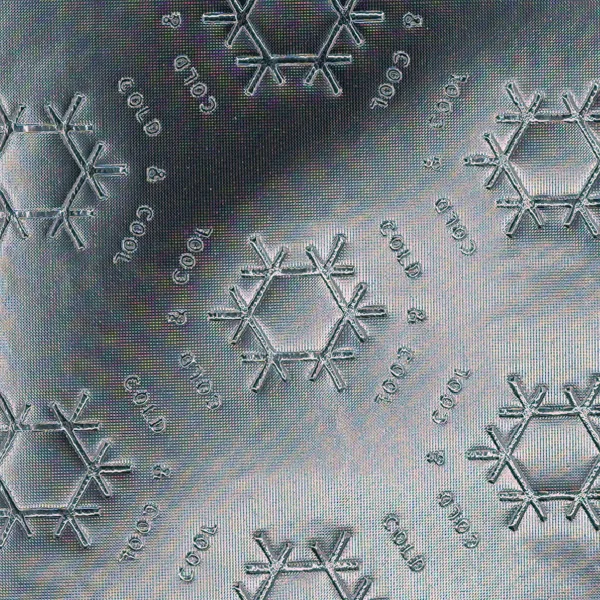
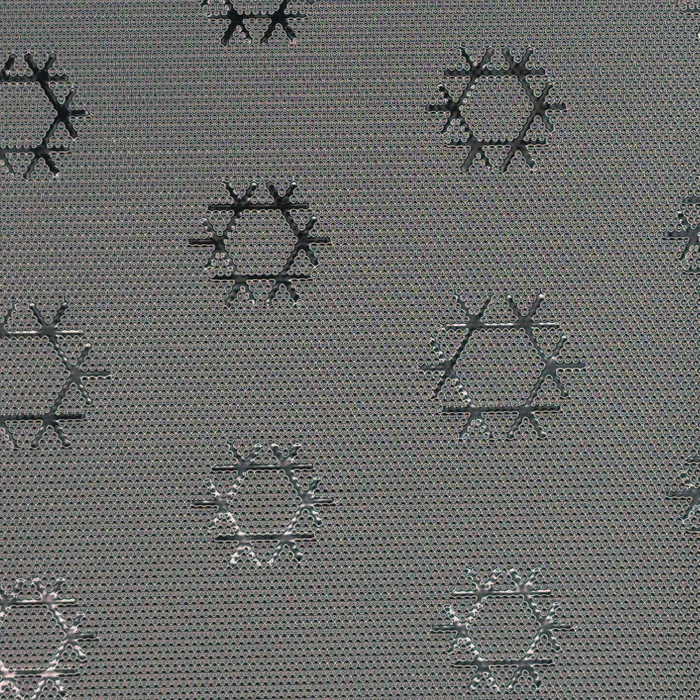
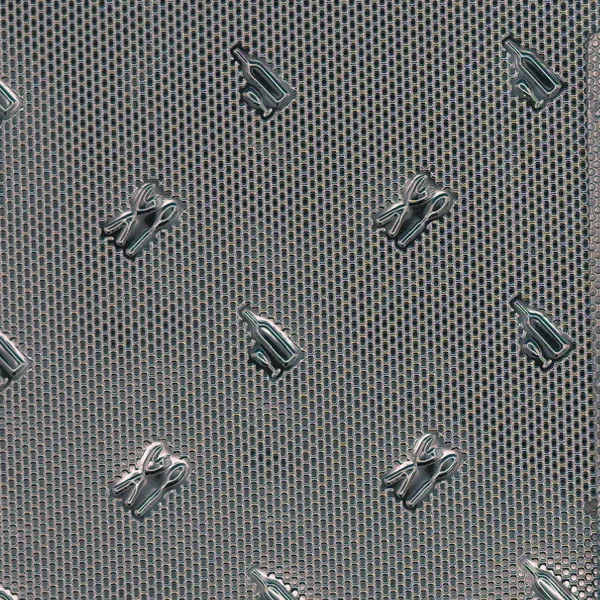
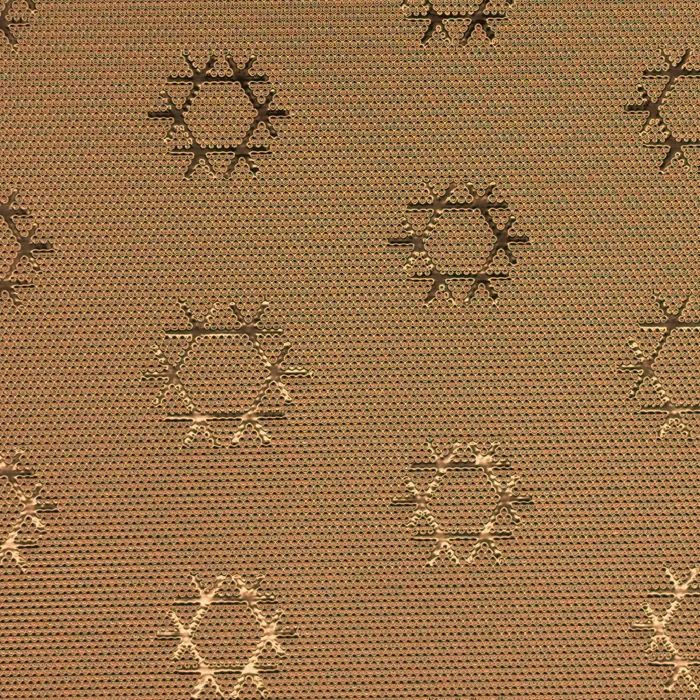
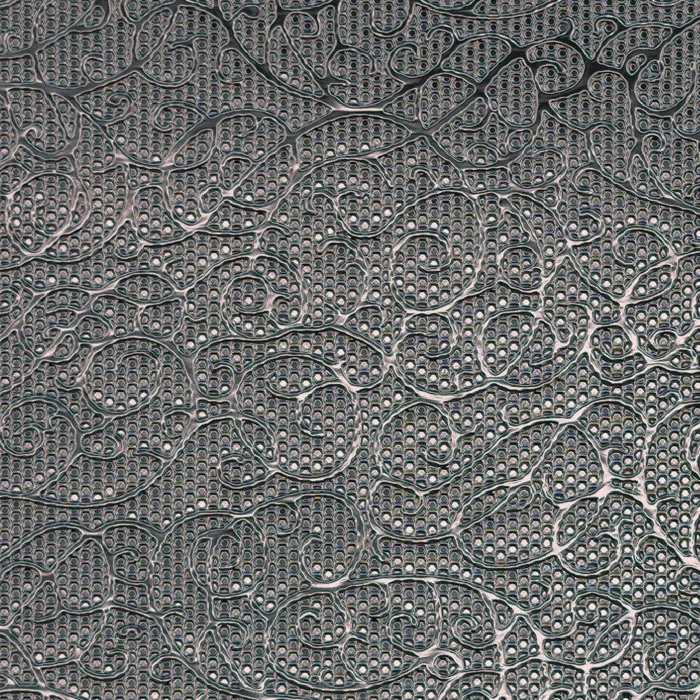
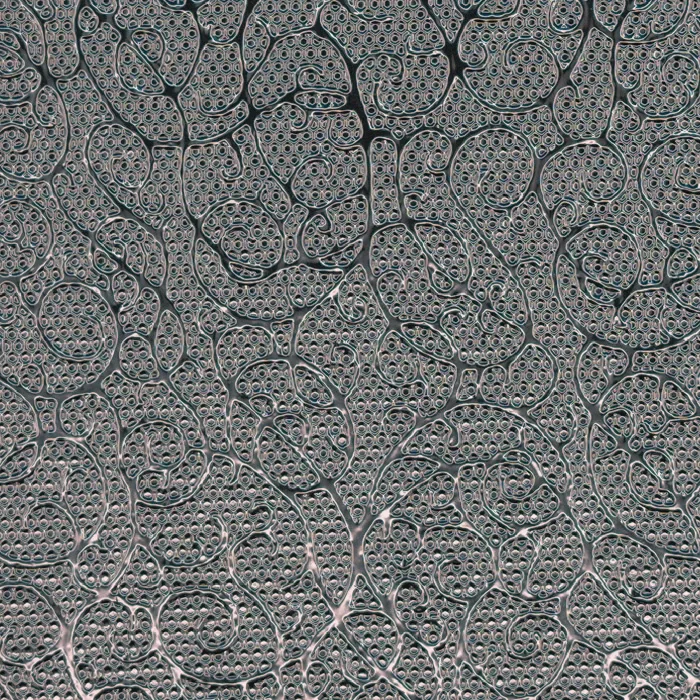
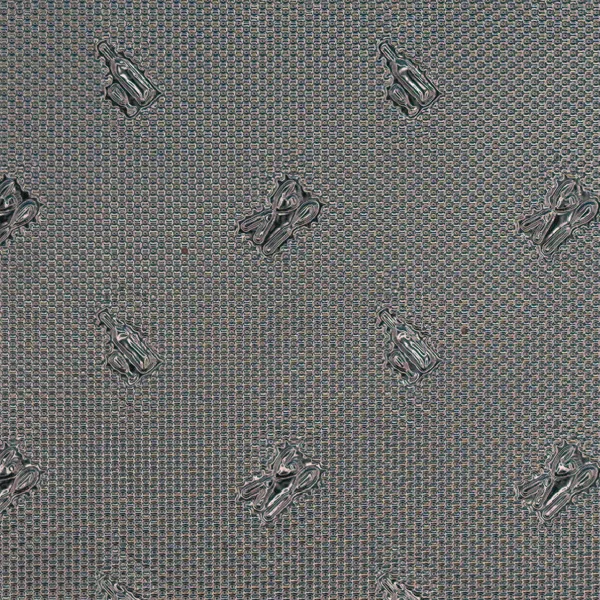
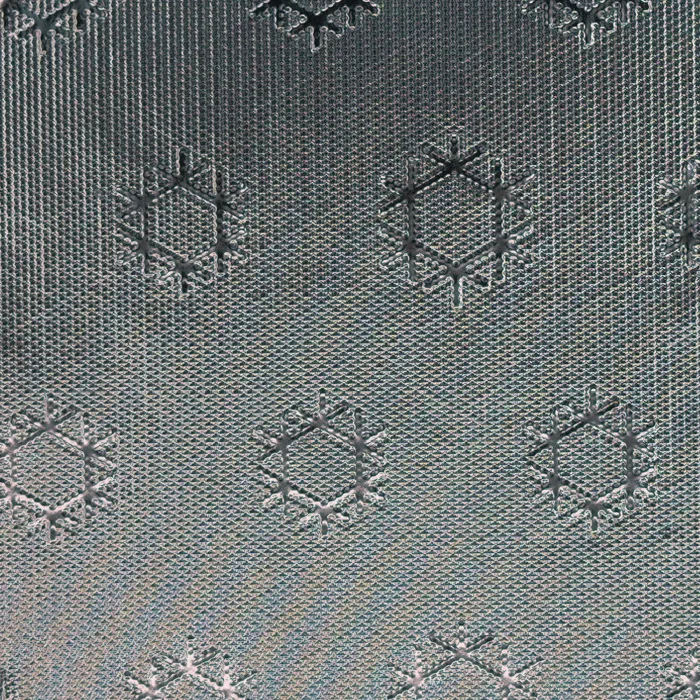
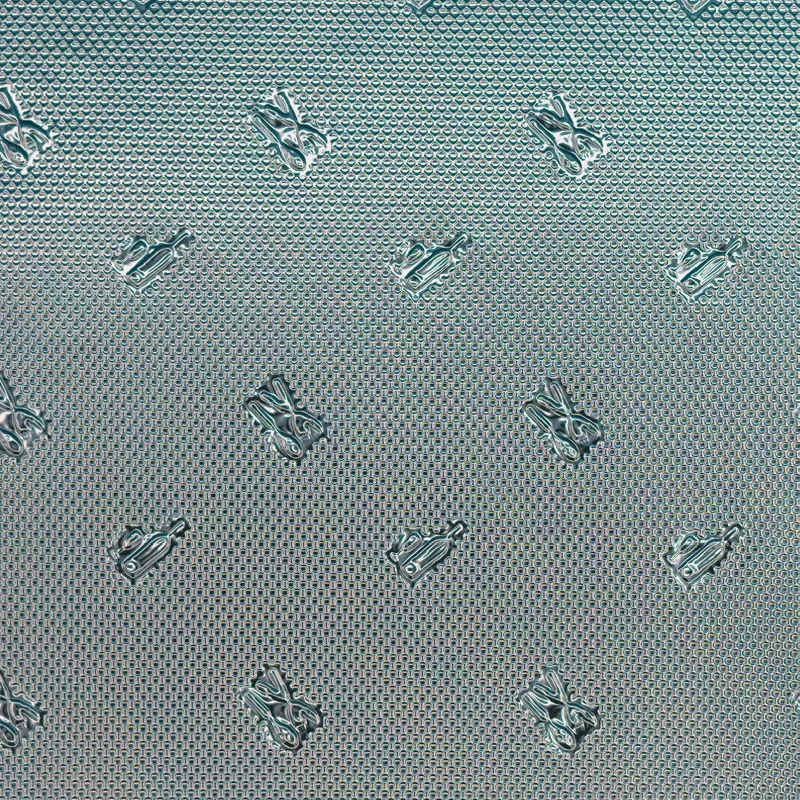
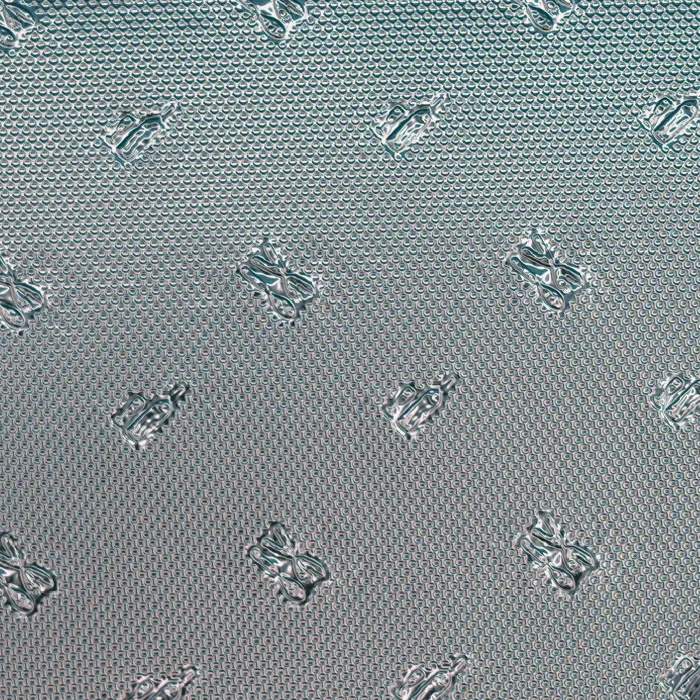
Figured emboss rollers: snowflakes, scattered shapes and scrollwork over a fine ground. Tooling-dependent, so ask before specifying one.
10 samples
How to choose a pattern.
Hiding creases
Irregular patterns such as crackle and pebble hide fold marks better than a regular grid. This matters on material that ships folded rather than on a core.
Glare
Fine grain and matte faces cut hotspots. A flat mirror face gives the brightest, most specular reflection.
Strength
A woven scrim face adds tear resistance. An embossed grid only changes appearance; it adds no strength.
Tooling
Motif patterns depend on the emboss roller and are not available on every construction. Confirm before you order.
Product families that carry these patterns
Solid aluminum foil combined with a specified carrier. Supplied by the roll.
Reflective faces combined with bubble or foam cores. Supplied by the roll.
Reflective film combined with a woven carrier. Supplied by the roll.
Looking for a pattern?
Quote the sample number or the pattern name and we will tell you which constructions carry it, in what widths and roll lengths, with pricing. We reply within 24 hours on working days.